What to Do in the First 24 Hours After Water Damages Your Carpet
Water damage to carpet can happen in an instant. A burst pipe, a flash flood, or even a slow plumbing leak can leave your flooring soaked and your home feeling vulnerable. The first 24 hours are critical. What you do - or don't do - during this window often determines whether the carpet can be saved or whether you will need professional intervention. Acting quickly but carefully can mean the difference between a dry, safe home and a long, expensive restoration process.
When moisture seeps into carpet and padding, it creates an environment where mold and bacteria can multiply within hours. This is not just about aesthetics. Mold growth can trigger respiratory problems, allergic reactions, and structural damage to subfloors. Understanding the immediate steps to take helps you protect both your property and your health. Below is a practical checklist covering the key areas to address within the first day after a water damage event.
Stop the Source of Water First
Before you grab a towel or turn on a fan, you need to stop the water from entering the space. If the source is a burst pipe or an overflowing appliance, shut off the main water valve. If heavy rain is coming in through a window or roof, do whatever you can to seal the gap temporarily. Remember that every minute the water keeps flowing, the damage spreads deeper into the carpet, underlay, and subfloor. Once the source is controlled, you can move on to assessing the damage.
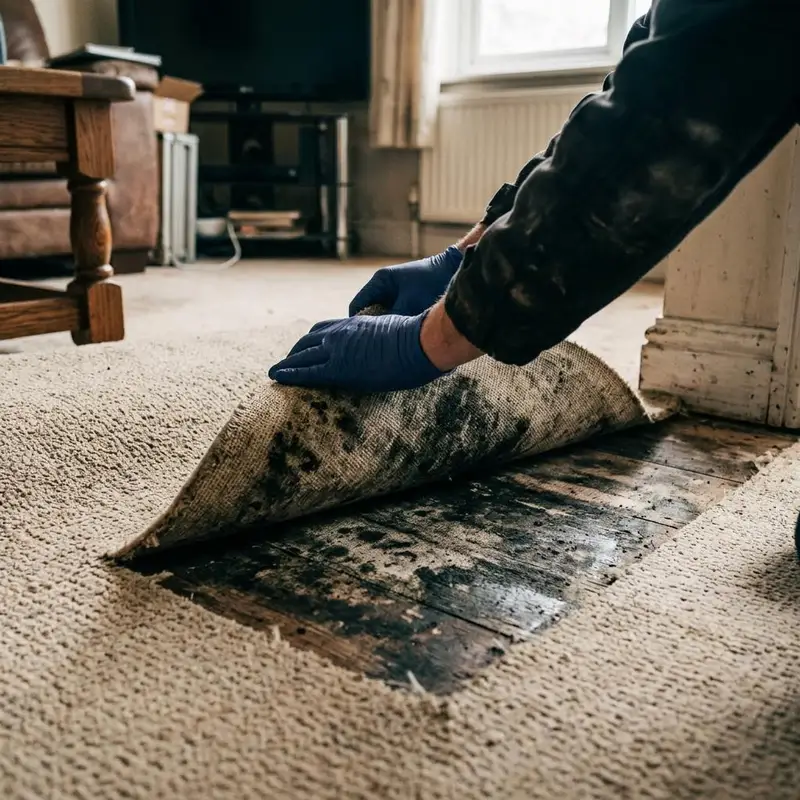
Remove Standing Water Immediately
Standing water is the enemy of dry carpet. Use a wet-dry vacuum to extract as much water as possible from the carpet surface. Work in small sections, going over each area several times. If you don't have a wet-dry vac, a mop and bucket can help, but it will not remove water from deep within the padding. The goal here is to reduce the moisture load so that drying becomes feasible. Carpets that stay saturated for more than 12 to 24 hours are far more likely to develop mold that cannot be reversed.
Lift the Carpet and Padding
If water has soaked through to the padding underneath, you will need to lift the carpet carefully. Use a utility knife to cut the carpet into manageable sections, but take care not to cut through the backing. Roll the wet carpet pieces and move them to a dry area if possible. The padding beneath will almost certainly need to be removed and discarded. Padding acts like a sponge, and once it is waterlogged, it will not dry out quickly enough to prevent mold growth. Replacing the padding is one of the most important steps in a water damage response, and it is something that professionals from Carpet Mold Removal Services Pros recommend you do before any thorough drying process begins.
Dry the Subfloor Thoroughly
Once the carpet and padding are lifted, the subfloor is exposed. This is often the part of the floor that gets neglected in the rush to dry the carpet. If you have a concrete subfloor, use a dehumidifier and fans to circulate air across the surface. For wood subfloors, the situation is more delicate. Wood can absorb moisture and warp, and it can also develop mold in hidden crevices. A moisture meter can help you determine whether the subfloor is dry enough to proceed. If the subfloor remains damp after 24 hours, you will likely need professional drying equipment. This is where the expertise of a service like carpetmoldremovalservices.com becomes valuable, as they can assess the moisture levels and recommend the right drying approach for your specific subfloor material.
Increase Airflow and Reduce Humidity
Even after removing standing water, the air in the room will be humid. High humidity slows down the drying process and encourages mold spores to settle. Open windows if the outdoor air is dry. Use box fans pointed across the wet area, and run a dehumidifier continuously. The combination of moving air and lower humidity can cut drying time significantly. In humid climates, this step is especially important. Keep the fans running for at least 24 hours, and check the carpet regularly for any signs of musty smell or discoloration.
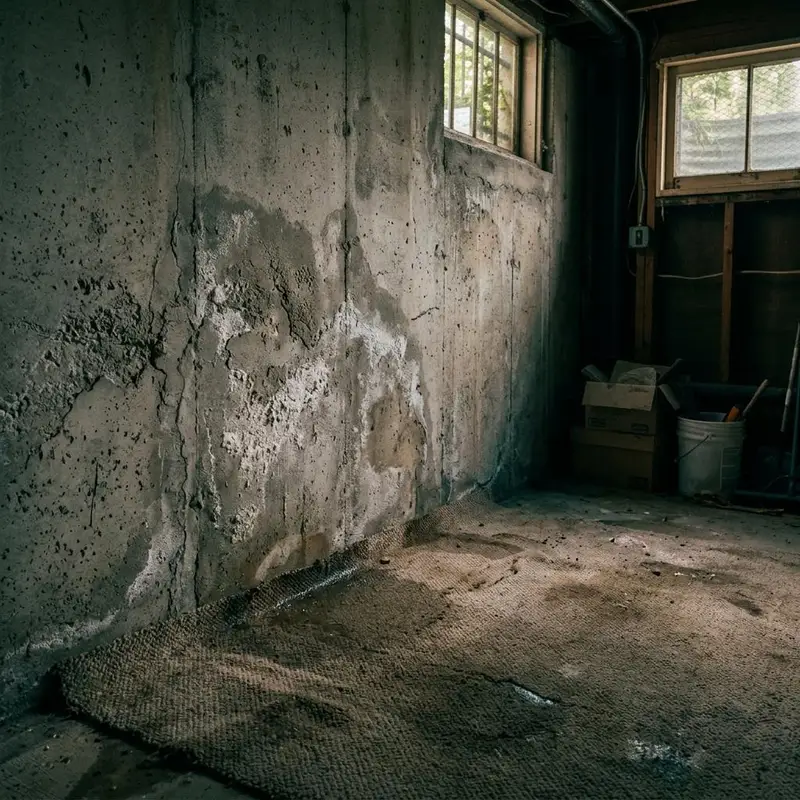
Check for Mold Within the First Day
Mold can begin to grow within 24 to 48 hours, so you need to look for it early. Check the edges of the carpet where it meets the wall, the underside of the lifted carpet, and the subfloor surface. A musty smell is often the first sign that mold is developing. If you see any discoloration or feel any slimy texture, you have a mold problem. At this point, do not try to clean it yourself with household bleach. Surface mold on carpet is rarely killed by bleach alone, and the spores can spread through the air. Professional mold remediation is the safest approach, and it is a core part of what Carpet Mold Removal Services Pros handle routinely.
Decide Whether to Save or Replace
After 24 hours, you will have a much clearer picture of whether your carpet can be saved. If the water was clean (from a burst pipe, for example) and you acted quickly, the carpet might dry out and be salvageable with professional cleaning. If the water came from a sewer backup, flood, or contained contaminants, the carpet and padding should be replaced immediately. Similarly, if mold has already appeared, replacement is usually the safer option. The cost of replacement may be frustrating, but it is far less than the health and property damage that mold can cause over time.
Contact a Professional for Assessment
Even if you manage the first 24 hours well, there are hidden risks. Moisture can wick up walls, travel under baseboards, and saturate insulation without being visible. A professional inspection can identify these hidden issues. Mold removal experts use moisture meters, thermal imaging, and air quality testing to find what the naked eye cannot. If you are unsure about the condition of your carpet or subfloor, call a professional service like Carpet Mold Removal Services Pros for an evaluation before you make any permanent decisions about replacement or restoration.
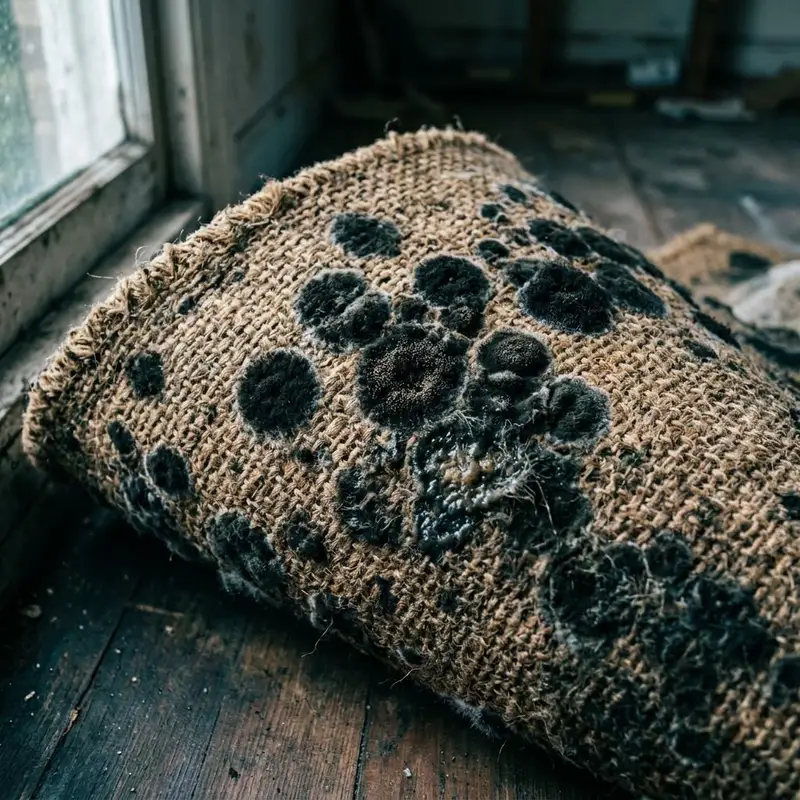
The first 24 hours after water damage set the stage for everything that follows. By stopping the water, removing standing moisture, lifting the carpet, drying the subfloor, and increasing airflow, you give yourself the best chance of saving your carpet and avoiding mold. When in doubt, lean toward caution. Replacing water-damaged carpet is often the simpler and healthier choice compared to trying to restore a material that may never be fully dry. Keep this checklist in mind, and you will be prepared to act fast when water threatens your home.
Ends · THEMOISTURECHECK